
Not every rooftop challenge is related to structural loads. Sometimes the issue is space.
Space for drainage. Space for maintenance. Space for roof movement. Space for long-term performance.
Many rooftop solar systems operate for decades, which means the area beneath the array becomes just as important as the components above it.
This is one reason elevated attachment designs continue to attract attention among contractors, EPC firms, and project designers evaluating long-term rooftop performance.
While standoff systems are often viewed as simple attachment components, their influence can extend well beyond installation day.
Why Clearance Matters More Than Many People Realize
A rooftop solar system is not isolated from the roof beneath it. Throughout its service life, the roof continues to experience:
Rainfall
Drainage cycles
Thermal expansion
Maintenance activity
Seasonal weather exposure
When attachment designs provide limited clearance, these activities can become more difficult to manage.
Contractors working on aging rooftops often discover that accessibility and roof serviceability become increasingly important as systems mature.
This is why clearance is frequently evaluated as a lifecycle consideration rather than simply an installation requirement.
The Benefits of Elevated Attachment Designs
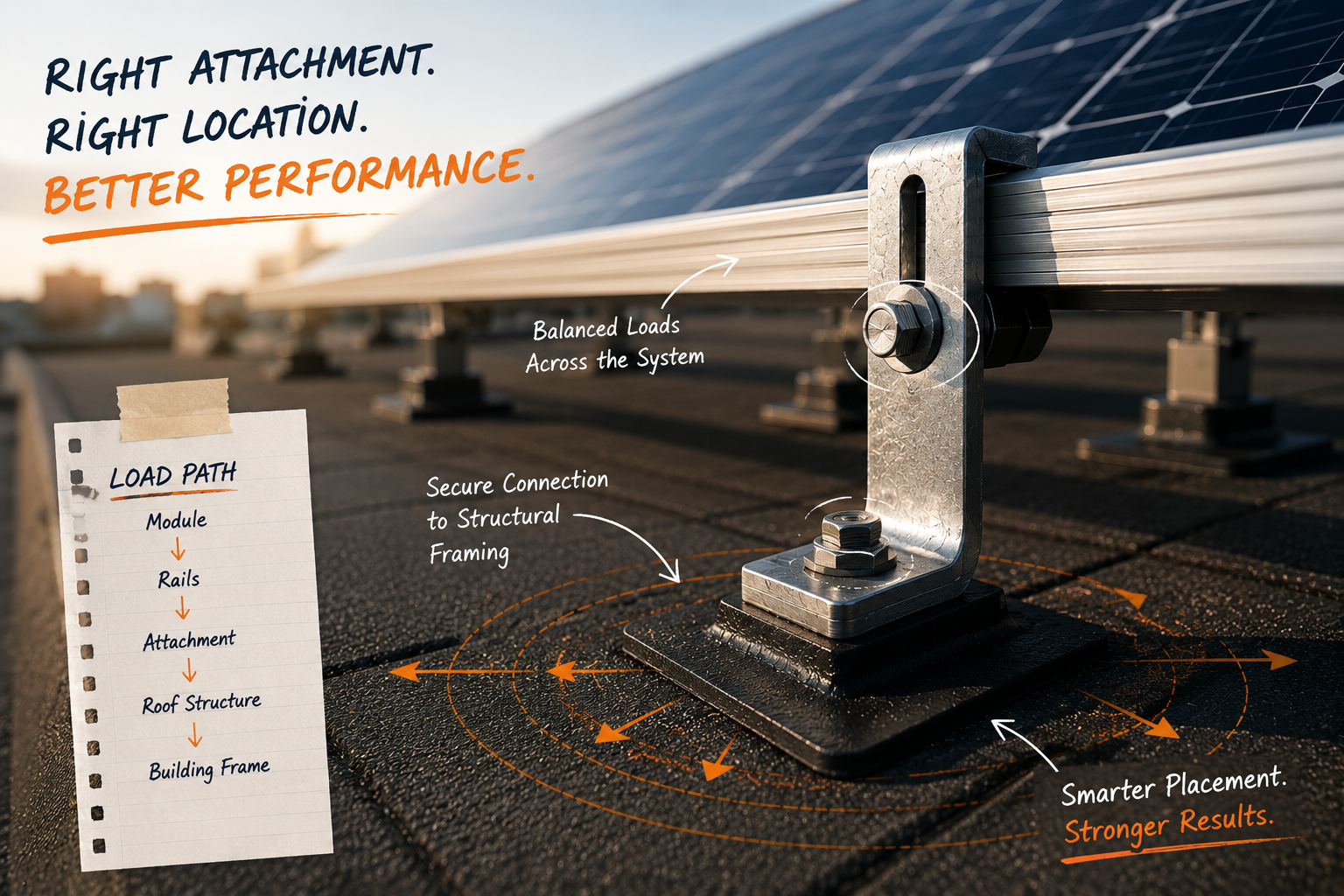
Elevated attachment systems create additional separation between the mounting structure and the roof surface.
That separation can provide several practical advantages.
Improved Drainage Performance
Water needs a predictable path across the roof.
Additional clearance can help support drainage and reduce the likelihood of water becoming trapped around rooftop components.
Better Maintenance Access
Maintenance personnel often need access beneath or around portions of the array during inspections and repair work.
Elevated designs can improve accessibility in certain applications.
Reduced Debris Accumulation
Leaves, dirt, and rooftop debris may accumulate over time.
Additional spacing can help simplify inspection and cleaning activities.
Roof Serviceability
Future roofing work is a reality on long-life buildings.
Attachment systems that support accessibility may help simplify future maintenance and re-roofing workflows.
Thermal Separation Benefits
Elevated attachment configurations may also provide additional airflow around certain rooftop assemblies, which can influence thermal conditions over time.
What Contractors Learn From Existing Rooftop Installations
One pattern appears consistently during maintenance and reroofing projects.
Systems that perform well over the long term are rarely evaluated solely on installation speed.
They are evaluated on how effectively they support the roof throughout the years of operation.
Contractors reviewing older solar installations often focus on:
Drainage conditions
Roof accessibility
Attachment condition
Waterproofing performance
Future service requirements
These observations frequently influence how attachment strategies are evaluated on new projects.
Long-term performance tends to become more important after a system has been operating for several years.
Where RT Plus Fits Into the Evaluation
Many contractors evaluating a solar pv aluminium mounting rail solution are also reviewing how attachment design influences roof performance beyond structural support.
RT Plus is commonly considered on projects where teams want to balance:
Roof integration
Drainage considerations
Structural performance
Maintenance accessibility
Long-term durability
Rather than evaluating attachment hardware in isolation, project teams often assess how elevated mounting strategies affect overall system performance over the roof's life.
Evaluation Considerations Before Selecting a Standoff System
Not every project requires the same attachment strategy.
However, contractors commonly evaluate several factors before selecting a standoff solution:
Roof type
Drainage requirements
Climate exposure
Maintenance expectations
Roof age
Long-term serviceability goals
Organizations such as Oak Ridge National Laboratory (ORNL) continue to conduct research related to building durability, moisture management, roofing performance, and long-term building envelope behavior.
Many of the same principles influence how contractors evaluate elevated rooftop mounting approaches.
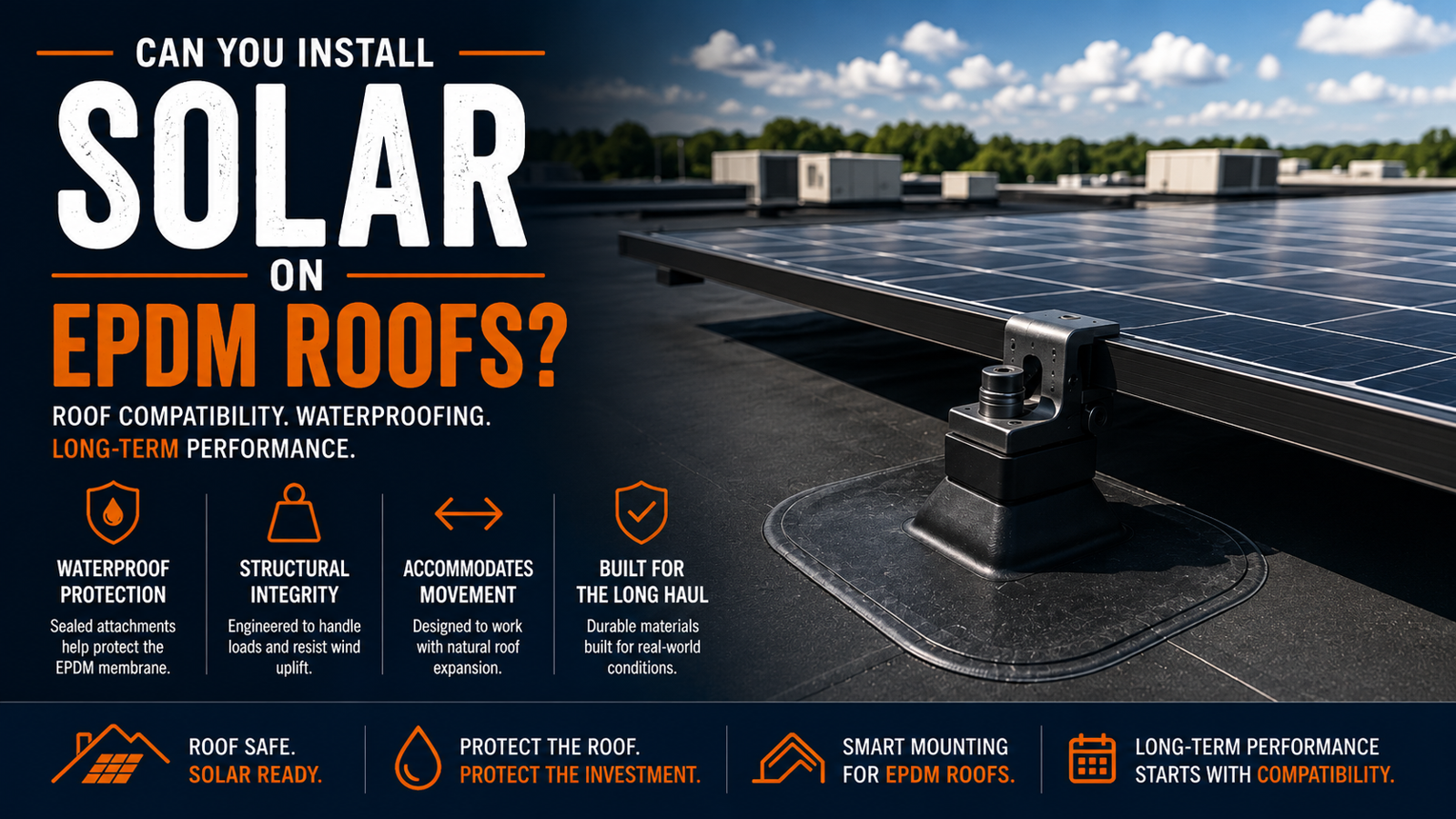
What Are the Benefits of a Solar Standoff Mounting System?
A solar standoff mounting system creates additional clearance between the solar array and the roof surface.
This added separation can improve drainage, support maintenance access, reduce debris accumulation, enhance roof serviceability, and contribute to long-term rooftop performance. Contractors often evaluate standoff systems because they help address practical roof management considerations that become increasingly important over the life of the installation.
Long-Term Rooftop Perspective
The value of a rooftop attachment system is not always measured during installation.
It is often measured years later when technicians need access, roofs require maintenance, and drainage performance still matters.
For contractors evaluating a solar standoff mounting system, elevated attachment designs are frequently viewed as part of a broader strategy focused on long-term roof performance rather than short-term installation considerations alone.
Frequently Asked Questions
What is a solar standoff mounting system?
A solar standoff mounting system uses elevated attachment hardware to create separation between the mounting structure and the roof surface.
Why is roof clearance important?
Roof clearance can affect drainage, maintenance accessibility, debris management, and long-term roof serviceability.
Do elevated attachment systems improve maintenance access?
In many cases, additional clearance can make inspections and maintenance activities easier to perform.
How does RT Plus fit into elevated attachment strategies?
RT Plus is often evaluated for projects where roof integration, accessibility, and long-term performance are important considerations.

Write a comment ...