
EPDM roofing continues to play a major role across commercial roofing projects in the U.S. As commercial buildings push toward energy efficiency and rooftop solar adoption, low-slope roofing systems are becoming increasingly important in long-term solar planning. According to Polaris Market Research's roofing industry study, the industry continues to see strong growth driven by commercial construction, reroofing demand, and energy-focused building upgrades.
The challenge is that EPDM roofs behave differently from steep-slope roofing systems once solar equipment is added.Improper penetrations, drainage disruption, membrane stress, and poorly planned attachment layouts can all create roofing problems years after installation. Many of those issues remain hidden until moisture intrusion or membrane fatigue begins to affect the roof assembly beneath. That is why roof compatibility matters.
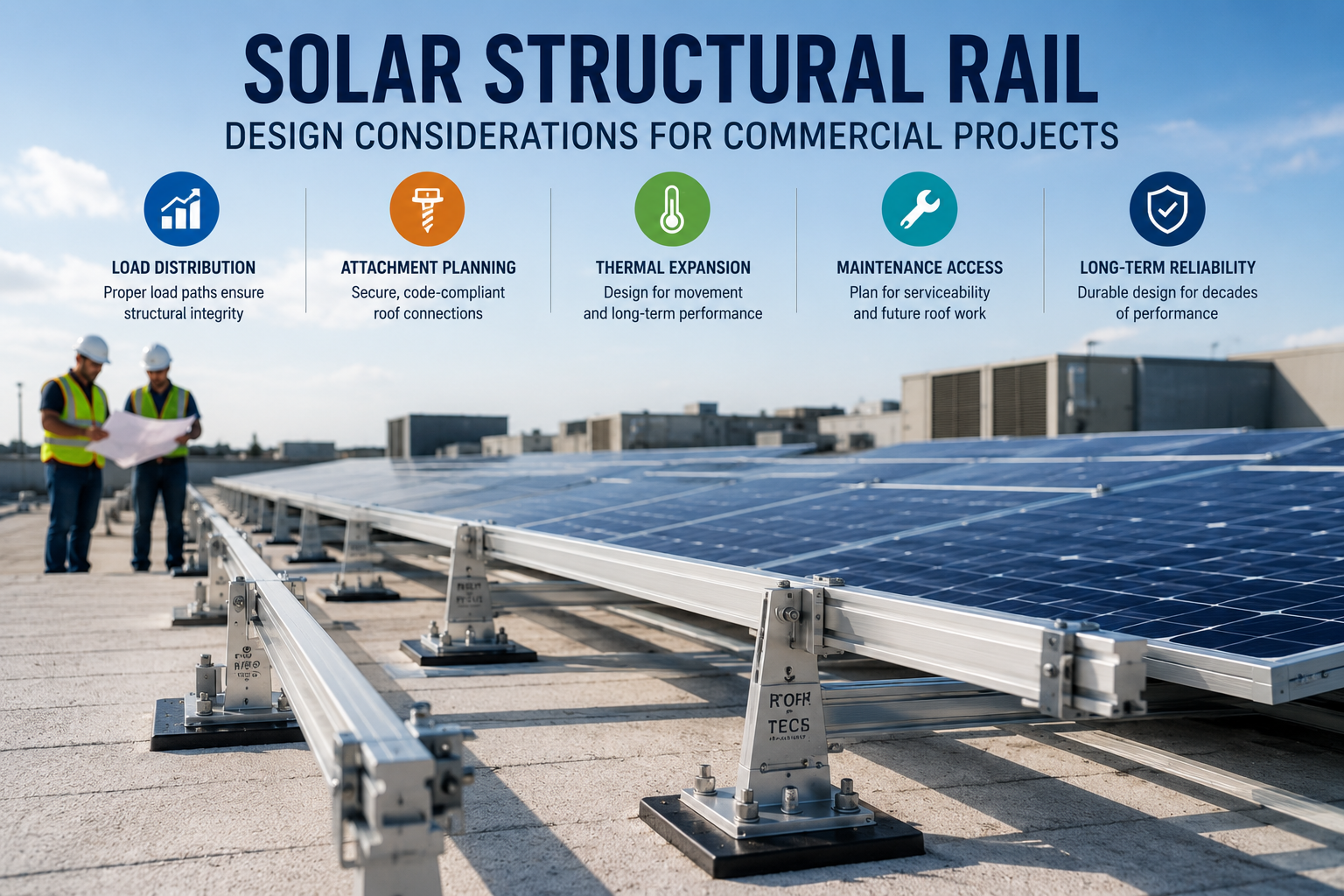
A properly engineered solar roof mount system should protect waterproofing integrity, distribute structural loads correctly, and accommodate long-term membrane movement under real-world rooftop conditions.On EPDM roofs, long-haul solar performance always starts with protecting the roofing system.
EPDM Roof Compatibility Starts With Waterproofing
Waterproofing is one of the biggest concerns on EPDM solar projects. Unlike steep-slope roofing systems that naturally shed water quickly, low-slope EPDM roofs depend heavily on proper drainage behavior and membrane integrity to prevent moisture intrusion.
That means every attachment point matters.
A dependable solar roof mount system should support:
Long-term membrane protection
Proper drainage flow
Secure attachment spacing
Roof-compatible waterproofing
Reduced penetration risk
This becomes especially important on aging commercial roofs, where ponding water or membrane fatigue may already be present before installation begins.
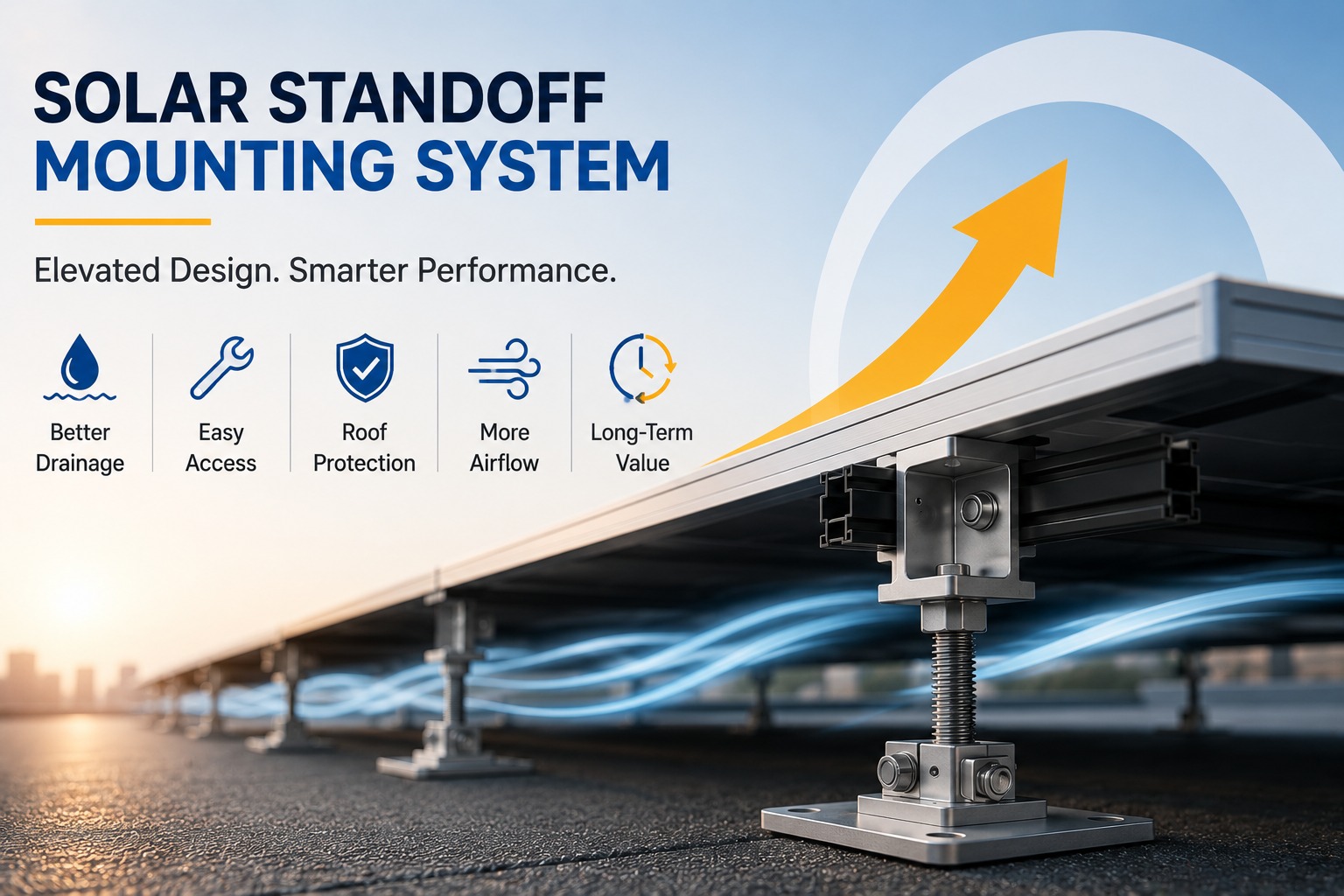
That is why many contractors evaluate a waterproof solar mount approach for EPDM systems that require reliable roof protection under long-term environmental exposure.
Because under real-world conditions, waterproofing failures rarely appear immediately. They develop slowly over time.
Roof Movement and Thermal Expansion Still Matter
EPDM roofing systems naturally expand and contract throughout the year. Temperature swings, UV exposure, and structural movement all affect how the membrane behaves over time. If the mounting system restricts that movement or creates concentrated pressure points, the roof assembly can slowly experience stress around penetrations and attachment locations.
Over time, that may lead to:
Membrane fatigue
Seal deterioration
Attachment stress
Drainage disruption
Premature roof wear
A properly engineered solar roof mount system should accommodate roof movement instead of fighting against it.
That flexibility becomes especially important on large commercial rooftops that are exposed to extreme seasonal temperature fluctuations.
Structural Load Distribution Is Critical on Low-Slope Roofs
Solar systems introduce additional weight and pressure across the roofing assembly.
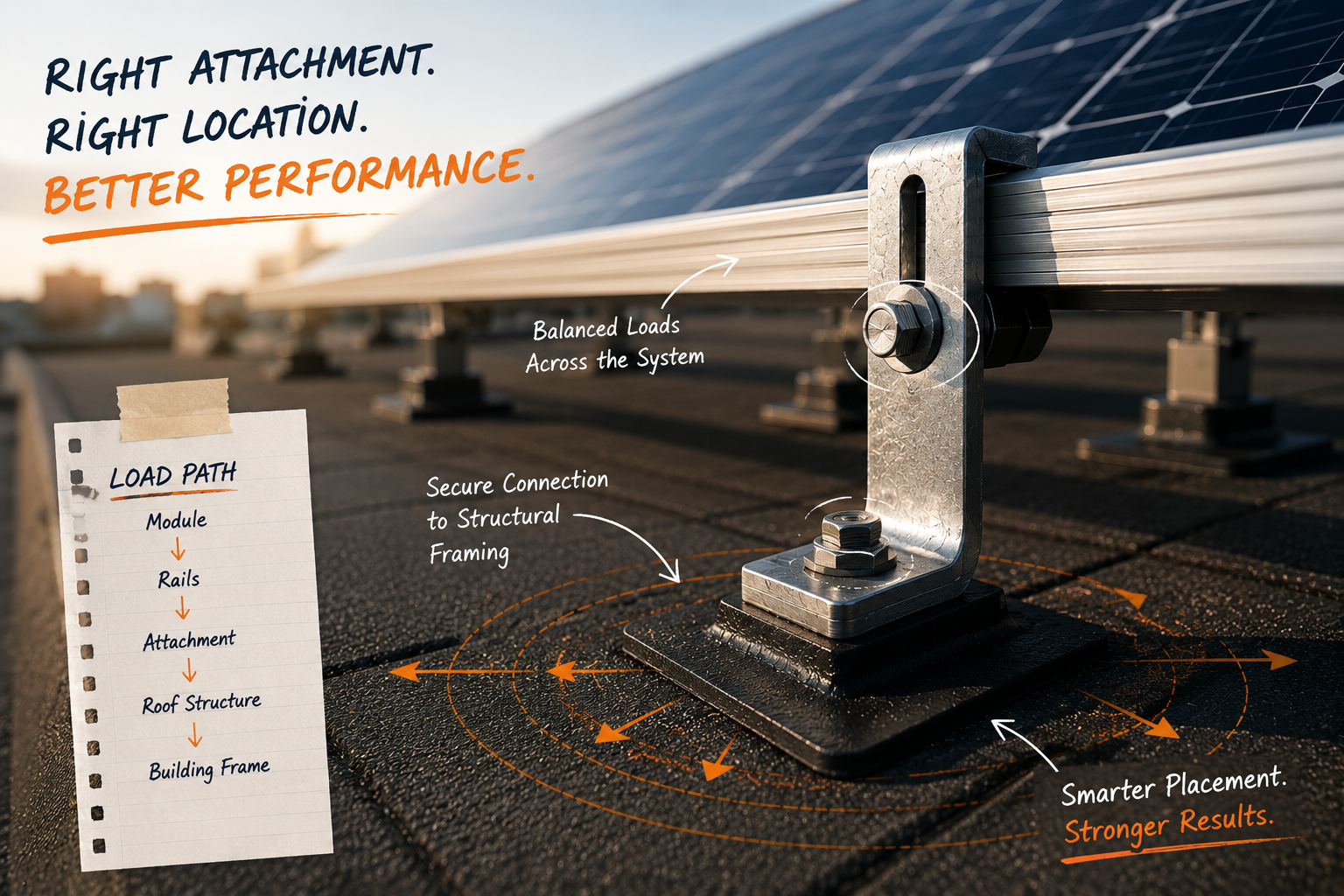
On EPDM roofs, that load must be distributed carefully to avoid overstressing insulation layers, decking systems, or membrane attachment points.
That includes managing:
Wind uplift pressure
Equipment weight
Attachment stress
Ballasted system loads
Roof deflection
A poorly designed mounting layout can slowly create structural imbalance across sections of the roof.
That is why experienced installers carefully evaluate building structure, insulation compression, and attachment spacing before selecting a solar roof mount strategy.
Because, under real-world conditions, long-term durability depends on how well the mounting system works with the roof assembly.

Attachment Design Affects Long-Term Roof Performance
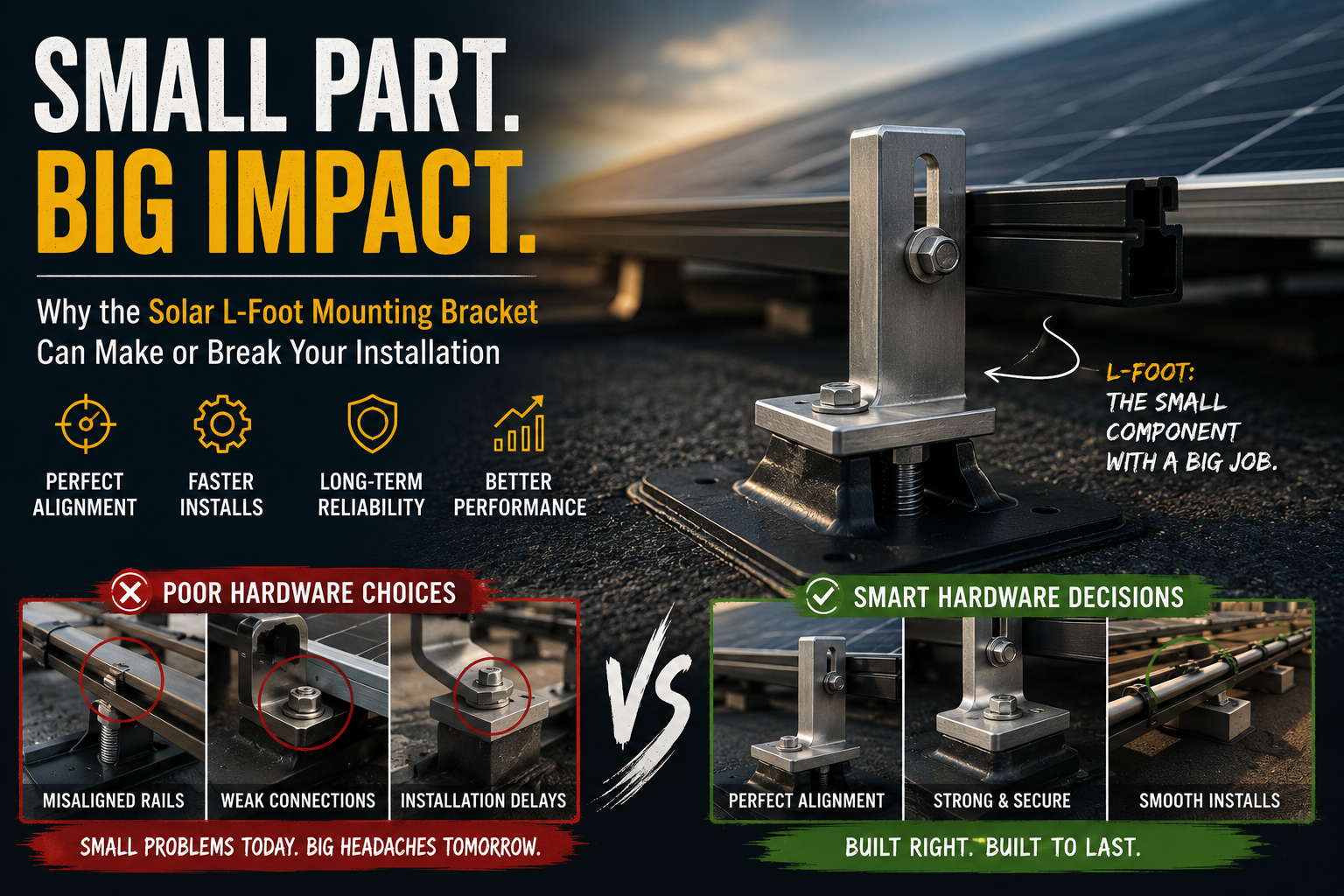
Not every mounting system behaves the same way on EPDM roofing. Some attachment methods create unnecessary penetrations or place excessive stress directly on the membrane surface. Others are designed to distribute loads more evenly while reducing the risk of waterproofing issues.
A properly designed system should help support:
Membrane protection
Secure waterproof sealing
Long-term weather resistance
Structural attachment stability
Roof maintenance accessibility
That is one reason many contractors evaluate low-profile solar attachment systems when seeking mounting solutions for low-slope commercial roofing applications. Protecting the roof always matters just as much as supporting the solar array.
Installation Quality Still Determines Long-Term Results
Even well-engineered mounting systems can fail under poor installation practices. Rushed membrane work, improper flashing integration, uneven attachment spacing, and missed structural alignment all increase the roof's long-term risk.
The challenge is that many installation problems remain hidden during the early years after project completion.
Contractors often discover:
Membrane stress around attachments
Water intrusion beneath flashing
Drainage issues
Fastener fatigue
Roof surface deterioration
That is why experienced crews focus heavily on installation discipline during EPDM solar projects.
A durable solar roof mount system depends on proper waterproofing awareness, careful structural planning, and roof-specific installation methods designed for real-world commercial conditions.
Conclusion
Yes, solar can absolutely be installed on EPDM roofs. But long-term success depends on choosing a mounting system designed with roof compatibility in mind, not installation speed alone.
For contractors, that means evaluating waterproofing integrity, membrane movement, drainage behavior, and structural load distribution before installation begins.
For solar installers, the right solar roof-mount strategy helps reduce callbacks and preserve long-term roof performance under varying environmental conditions.
And for building owners, proper mounting design helps protect both the roofing investment and the solar system sitting on top of it. Because under real-world conditions, durable solar performance always starts with protecting the roof underneath.

Write a comment ...